Roof Repair · the USA
The company follows a consistent sequence that begins with an on-site evaluation and ends with a final walkthrough. Materials are selected to match the structure and expected weather exposure. Crews handle removal, installation, and daily site cleanup.
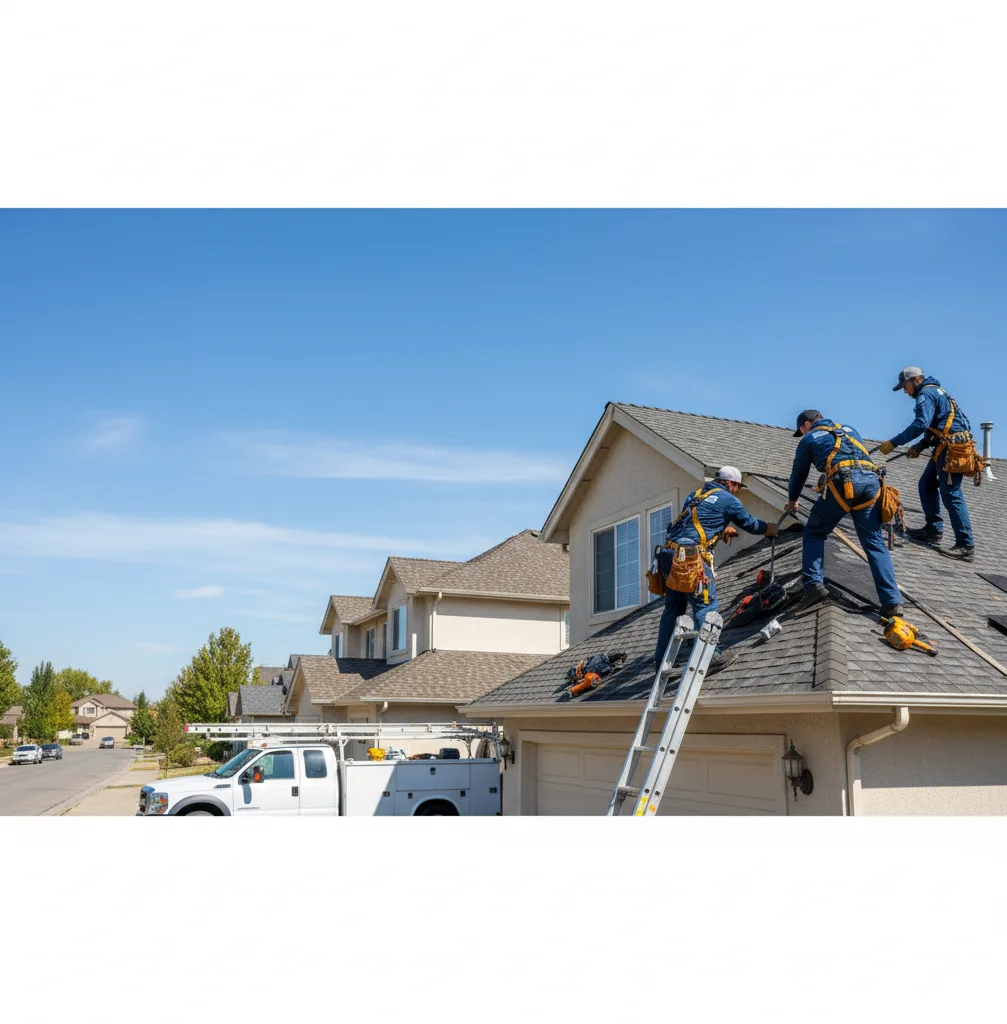
Missing granules, curled edges, and visible daylight through the roof deck show that shingles have reached the end of their service life. A visual inspection from the ground can reveal uneven surfaces or dark streaks where protective coating has worn away. Inside the attic, daylight spots or dark patches on the sheathing often point to water that has already passed through damaged areas. Once these conditions appear across a large portion of the roof, patching individual spots no longer provides lasting protection. Replacement restores a continuous weather barrier and prevents further damage to insulation and framing. The process also allows inspection of flashing around vents and chimneys that may have corroded over time.
Prolonged sun exposure dries out the asphalt and fiberglass layers, causing brittleness and cracking. High winds can lift and tear tabs, sometimes requiring storm damage repair. Repeated freeze-thaw cycles loosen the adhesive seals. Poor attic ventilation accelerates heat buildup that shortens shingle life. Homeowners sometimes notice these issues first during heavy rain when water appears near skylights or valleys. Checking the roof after storms for lifted pieces helps catch problems before leaks reach living spaces.
FAQ

A technician first walks the roof to locate damaged or displaced material. Only the affected sections are removed and replaced with matching components. Flashing and seals around penetrations are checked at the same time. The homeowner receives notes on what was found and what was done before the crew leaves.
Interior stains can appear well away from the actual entry point, so an exterior inspection is needed to trace the path. If the stain grows after rain or the attic shows daylight through gaps, the condition should be checked soon. Waiting can allow moisture to reach insulation or decking and increase the scope of work later.
Small tab replacements are possible with basic tools, yet improper fastening or mismatched underlayment can create new leak points. Professional crews carry the correct fasteners and sealants for each roof type and document the work for insurance or future reference.