Roof Repair · the USA
The team reviews building drawings and past roof leak repair history before arriving. Materials are selected to match the existing roof system rather than defaulting to a single product line. Final walkthroughs confirm drainage and seam integrity before the crew leaves the site.
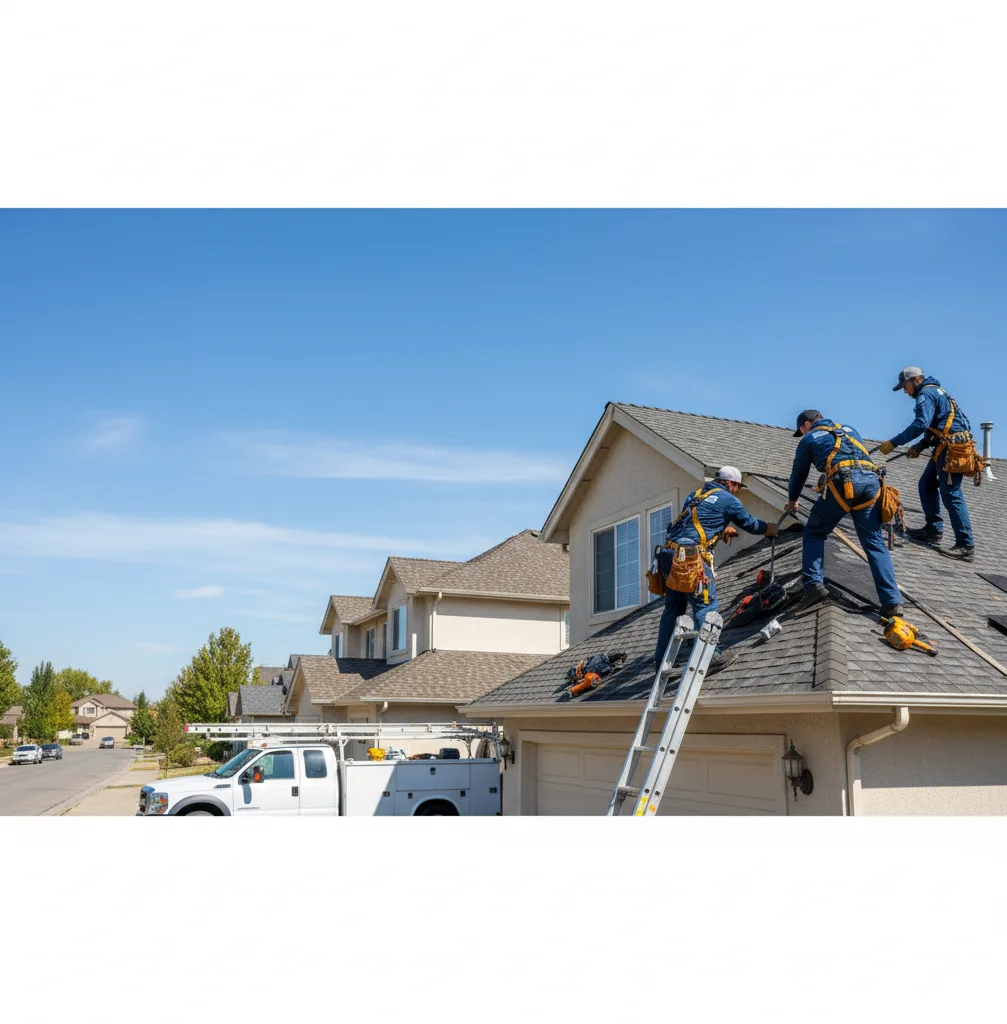
Commercial roofs cover large surfaces and often carry equipment, so small failures can spread quickly. A roof inspection checks seams around HVAC units, flashing at walls, and areas where water pools after storms. When membrane splits or sealant cracks, moisture reaches insulation layers and reduces their effectiveness. The repair sequence starts with clearing debris, then addressing the source of the leak rather than simply covering the visible damage. Technicians measure the affected section, cut matching material, and secure it with the correct adhesives or fasteners for that roof type.
Age, foot traffic from maintenance crews, and temperature swings all contribute to deterioration. Standing water near drains accelerates breakdown of surface coatings, making regular roof maintenance essential. In some cases, previous patches were installed without proper surface preparation, so they lift within a few seasons. Owners can spot lifted edges or new staining on interior ceilings, though many issues remain hidden until a heavy rain event. A systematic review of the entire surface reveals whether isolated fixes will suffice or whether larger sections require replacement to maintain building integrity.
FAQ

A technician first walks the roof to locate damaged or displaced material. Only the affected sections are removed and replaced with matching components. Flashing and seals around penetrations are checked at the same time. The homeowner receives notes on what was found and what was done before the crew leaves.
Interior stains can appear well away from the actual entry point, so an exterior inspection is needed to trace the path. If the stain grows after rain or the attic shows daylight through gaps, the condition should be checked soon. Waiting can allow moisture to reach insulation or decking and increase the scope of work later.
Small tab replacements are possible with basic tools, yet improper fastening or mismatched underlayment can create new leak points. Professional crews carry the correct fasteners and sealants for each roof type and document the work for insurance or future reference.